The Magic of Tuina Massage

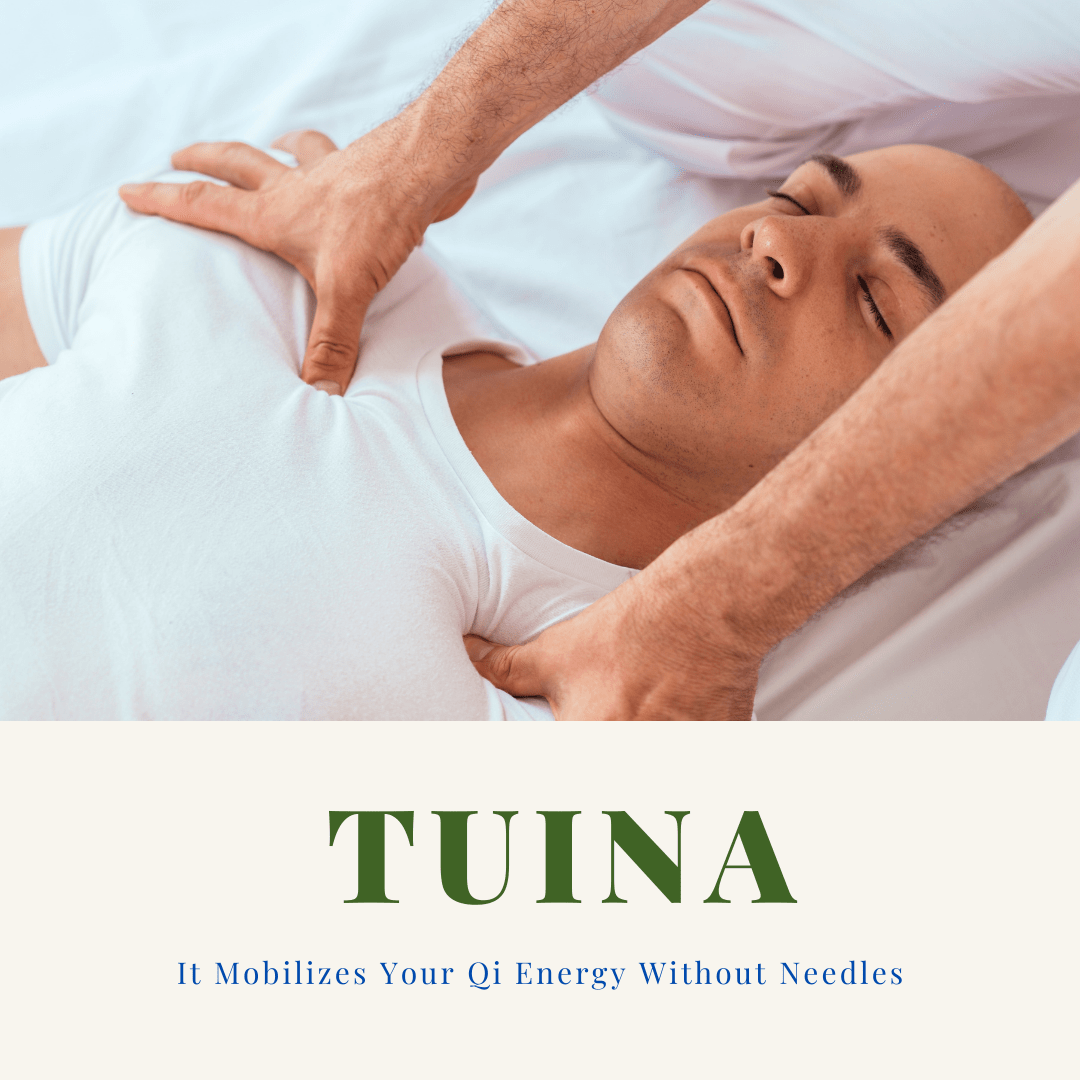
Tui-na, a branch of Traditional Chinese Medicine (TCM), serves as a holistic form of physical therapy with a Western equivalent in orthopedic medicine. As noted by McCarthy (1998), while Tui-na primarily functions as a physical therapy, it also incorporates traditional Chinese bioenergetic principles into its practice. This unique combination makes Tui-na an effective modality for addressing various physical ailments and promoting overall well-being.

One of the main objectives of Tui-na is to enhance the movement of Qi (energy) through the body’s meridian channels. By promoting Qi flow, Tui-na aims to balance the body’s energy, which is fundamental to good health. The practice also focuses on mobilizing joints to improve articulation, optimizing fluid flow—both blood and lymph—through the microcirculatory system, and releasing muscle cramps or spasms to help reintegrate bodily structures. Additionally, Tui-na works to tonify muscular tissue that may have weakened or prolapsed, aiding in the recovery of function.

Tui-na employs a variety of techniques that, while sharing some similarities with Western manual therapy, also possess considerable differences. Practitioners utilize methods such as soft tissue rolling, rubbing, tapping, “sweeping,” grasping, chopping, and “scrubbing” to manipulate the body’s soft tissues. Interestingly, Tui-na’s joint mobilization techniques closely resemble those found in osteopathic practices, further highlighting its efficacy in improving physical health.

Incorporating Tui-na into one’s wellness routine can yield significant benefits, such as increased flexibility, reduced pain, enhanced circulation, and improved overall physical and emotional balance. Whether you are recovering from an injury, managing chronic pain, or simply seeking a way to enhance your well-being, Tui-na offers a gentle yet powerful approach to healing that honors both the physical and energetic aspects of health.

In conclusion, if you’re seeking a holistic approach to healing that combines the benefits of Tui-na with acupuncture, please contact Sebastian Cobenas, Registered Acupuncturist. His competence in both modalities can help address your unique needs and promote overall well-being. Don’t hesitate to take the first step toward a healthier, more balanced life—contact Sebastian by emailing onehearttherapy@gmail.com or texting 647-868-9085 today. Your journey to improved health and vitality awaits!

Sebastian Cobenas is a Registered Acupuncturist with the College of Traditional Chinese Medicine Practitioners and Acupuncturists of Ontario (CTCMPAO).

Why Is Cupping My Favourite Modality?

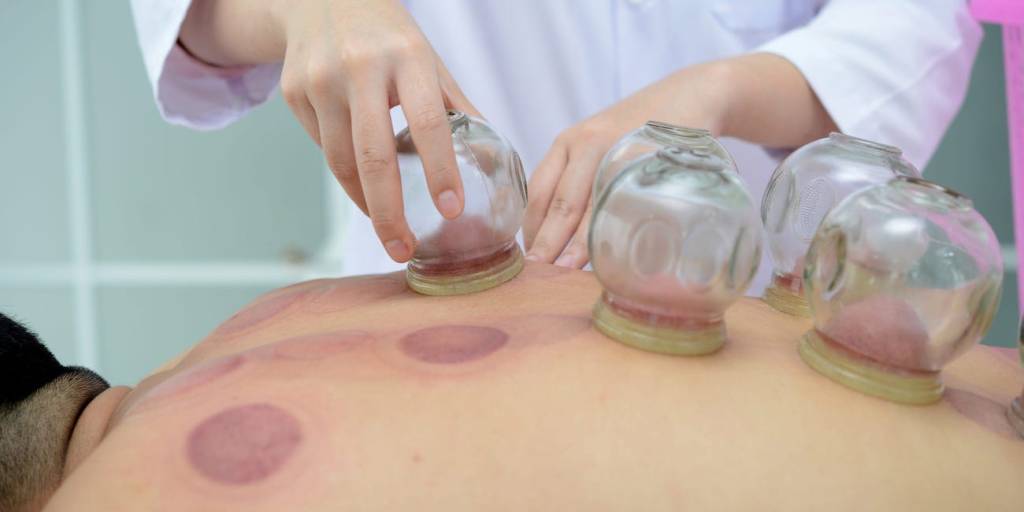
To put it simply, Cupping is a therapeutic modality that utilizes plastic or glass cups (my favourite!) to create suction on your skin. It helps with pain, inflammation, blood flow, mobilizing Qi. It is in fact, a kind of deeper tissue massage.

“Cupping therapy is actually just a nickname for the practice — the medical term for it is myofascial decompressionMyofascia is the connective tissue that binds muscles to the skin. As the name suggests, cupping helps relieve pressure when connective tissues become tight. The tightness can happen for many reasons including
Sedentary lifestyles, Repeated movements, such as repeatedly lifting weights or using the stair-stepper and Injuries”

From “Why cupping therapy is so popular among celebs and athletes — and whether it’s right for you” – Ava English

Cupping makes my clients feel amazing. They tell me that they feel warm and energized. Pain is relieved almost immediately. Emotionally, cupping can be experienced as quite comforting which is a plus!

As well, cupping is a sort of acupuncture without needles which is quite helpful when working with people with psychological trauma and anxiety towards needles. Because I am trauma-informed, I would like to know if you are particularly afraid of flames and I can follow directions to inform you when I will be placing the cups, if that makes you feel more relaxed and in control of the cupping session.

Cupping needs to be done mindfully and gently!

Cupping has been helpful to millions of people and assists with: digestive disorders, anxiety states, circulation problems and more.

If you are interested in learning more about Cupping as a healing modality, please check out the links below:

Why cupping therapy is so popular among celebs and athletes — and whether it’s right for you

7 Surprising Benefits of Cupping Massage

Cognitive and Emotional Aspects of Cupping Therapy

Trauma-Informed, Gentle & Slow Acupuncture in Toronto West End

Sebastian Cobenas, is a Registered Acupuncturist with the College of Traditional Chinese Medicine Practitioners and Acupuncturists of Ontario (CTCMPAO).  He is a POC, Indigenous-identified person, committed to a queer and trans positive, anti-oppressive framework, offering traumainformed, gentle, slow acupuncture and other healing services in Toronto.  
To book a session with Sebastian, please email at onehearttherapy@gmail.com.

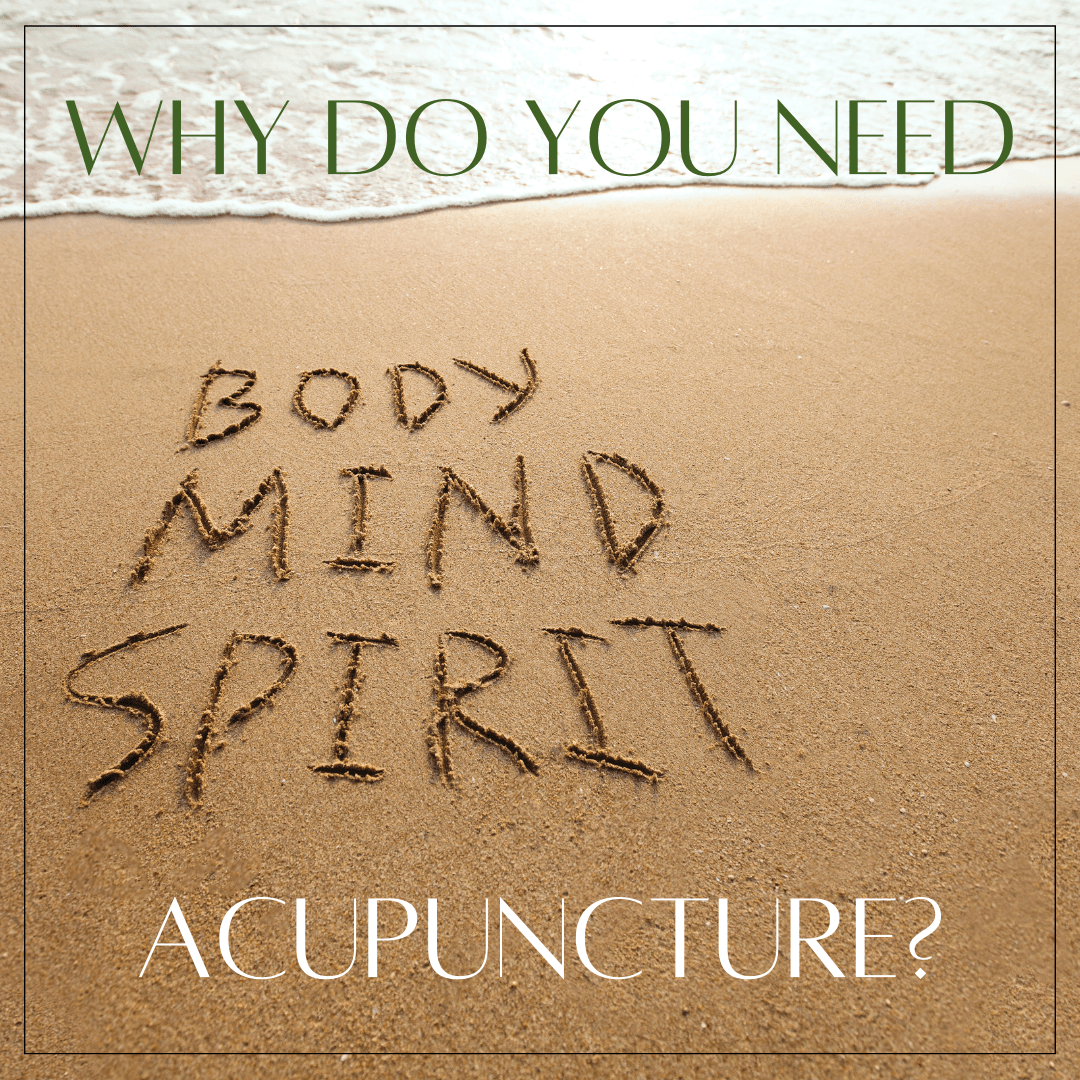
Why Do You Need Acupuncture?

Before I share with you my thoughts about why people need acupuncture, let me explain what is acupuncture in the first place.

Western medicine acknowledges that acupuncture, a 3,000 year old healing technique of Traditional Chinese Medicine, stimulates the central nervous system, along with chemicals and hormones that stimulate our bodies’ healing abilities. Our bodies’ many systems are interconnected by energetic superhighways that are called meridians. Like all modes of important transportation, these superhighways should be in a healthy state of flow and not stagnation! The natural and balanced flow of vital energy (Qi) is imperative to enjoy a state of harmony and balance in all our bodies, physical, mental, emotional and energetic. Ancestral knowledge and newer science recognize that meridians are energetic structures in their own right, separate and recognizable via state of the art CT imaging and MRI. Thanks to these technologies, we now can see that acupuncture points and meridians are distinct and measurable “anatomical structures”.

Properly administered acupuncture can assist with every single health issue known to us, from joint and muscle pain to depression and anxiety. The Center for Integrative Medicine of UC San Diego School of Medicine explains that:

Case-controlled clinical studies have shown that acupuncture has been an effective treatment for the following diseases, symptoms or conditions:

  • Allergic rhinitis (including hay fever)
  • Biliary colic
  • Depression (including depressive neurosis and depression following stroke)
  • Dysentery, acute bacillary
  • Dysmenorrhoea, primary
  • Epigastralgia, acute (in peptic ulcer, acute and chronic gastritis, and gastrospasm)
  • Facial pain (including craniomandibular disorders)
  • Headache
  • Hypertension, essential
  • Hypotension, primary
  • Induction of labor
  • Knee pain
  • Leukopenia
  • Low back pain
  • Malposition of fetus, correction
  • Morning sickness
  • Nausea and vomiting
  • Neck pain
  • Pain in dentistry (including dental pain and temporomandibular dysfunction)
  • Periarthritis of shoulder
  • Postoperative pain
  • Renal colic
  • Rheumatoid arthritis
  • Sciatica
  • Sprain
  • Stroke
  • Tennis elbow and many other diseases and conditions have probable evidence to support the therapeutic use of acupuncture.
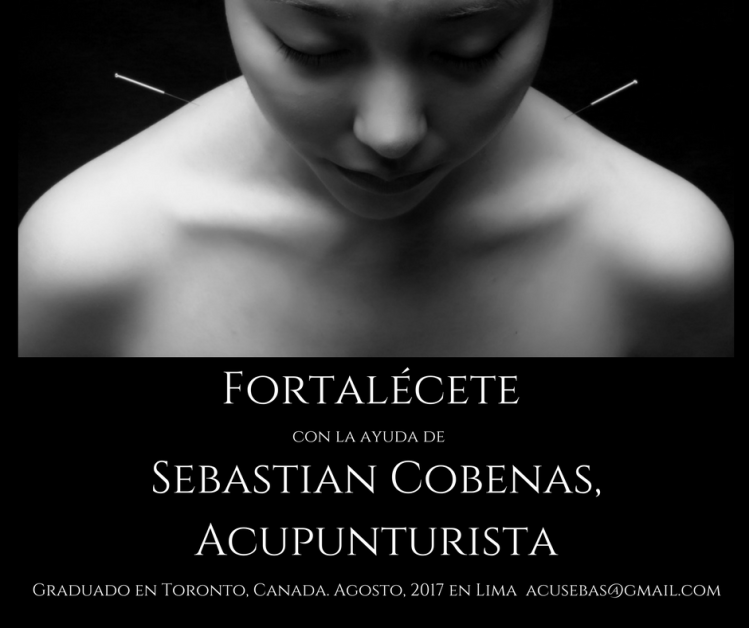
In Spanish: Strengthen Yourself with the Assistance of Sebastian Cobenas

Why Do We Need Acupuncture? We need acupuncture because we deserve to live life in our healthiest and strongest state so we can be allowed to fully engage with the experience of being alive. Also, our Western style of living and just life itself can cause stagnation of Qi, due to “emotional disturbances, stagnation of cold, heat and phlegm, accumulation of fluids or water or caused by food stagnation; it may also occur due to accidents or blood stasis. Symptoms include a sensation of fullness, obstruction, a feeling of distension and, in severe cases, pain.”

Human beings are highly emotional mammals, which causes us to, at times to experience disruption of “qi and blood” which “directly affect the heart, liver, spleen, lung and kidney and other organs”. Due to these affective imbalances “emotions, such as grief, fear, anger, worry are major factors in the cause of endogenous illness”. For example there is strong relationship between rumination (obsessive thinking) and depression! Acupuncture can help you calm your mind and encourage introspection and effective problem solving. So it is helpful for our physical and mental health, to use acupuncture in addition to mental health supports, to navigate stressful and potentially traumatic situations.

We know that to keep balanced and healthy we need supports, exercise, kindness, good food, pleasure all in moderation. Gentle and slow Acupuncture can and should be part of your self-care habits.

If you like to know more about how acupuncture can help you become healthier and find harmony in your physical and mental bodies, you can check the following articles:

The Role of Rumination and Stressful Life Events in the Relationship between Qi Stagnation Constitution and Depression in Women: A Moderated Mediation Model.

Acupuncture Effective in Treatment of Mental Illness

COVID Times and Your Liver: Do You have Liver Qi Stagnation?

Top 10 Benefits of Acupuncture for Workplace Stress and Pain


Sebastian Cobenas, is a Registered Acupuncturist with the College of Traditional Chinese Medicine Practitioners and Acupuncturists of Ontario (CTCMPAO). He is a POC, Indigenous-identified person, committed to a queer and trans positive, anti-oppressive framework, offering traumainformed, gentle, slow acupuncture and other healing services in Toronto.  
To book a session with Sebastian, please email at onehearttherapy@gmail.com.